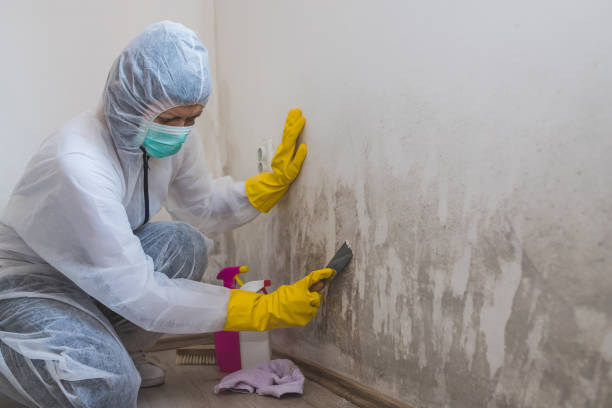
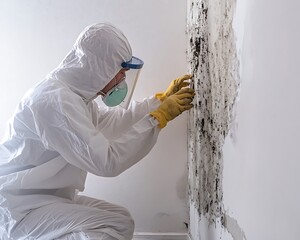
Every structure in West Virginia, WV sits on ground that tells a story. The soil composition, the water table depth, the age of underground utility lines — all of it shapes how water, fire, and mold affect the buildings above. A slab foundation on clay-heavy soil in West Virginia, WV handles moisture intrusion completely differently than a raised crawlspace on sandy loam. The drainage patterns around your property, the age of your plumbing, the type of insulation packed into your walls — these are not abstract details. They are the variables that determine whether a small leak stays small or turns into a five-figure restoration project.
GBS Restoration understands how West Virginia, WV properties are built because we work in them every day. That local knowledge changes everything about how we approach a job.
Older neighborhoods across West Virginia, WV often sit on cast iron or clay sewer lines that were installed decades ago. These pipes degrade over time. Tree roots find hairline cracks and work their way in. Joints separate. Ground settling shifts pipe alignment just enough to create low spots where sediment builds up and eventually causes backups.
When one of those old lines fails, the water that enters your property is not clean. It is Category 3 water — heavily contaminated with bacteria, viruses, and organic waste. That classification changes the entire remediation approach. Porous materials like carpet, drywall below the flood line, and particleboard cannot be saved. They absorb contaminants that no amount of cleaning can fully remove.
GBS Restoration crews in West Virginia, WV carry antimicrobial treatment equipment on every truck because we know the infrastructure. We do not show up and then realize we need different tools. We arrive ready for the worst-case scenario so we can start protecting your property and your health from the moment we walk through the door.
Modern construction in West Virginia, WV trends toward energy efficiency. Tighter building envelopes, spray foam insulation, vapor barriers on every exterior wall. These features cut energy bills, but they also trap moisture inside the wall assembly if anything goes wrong.
A small roof leak that would have dried naturally in a drafty 1960s ranch home gets sealed inside a 2015 build. The water has nowhere to go. It saturates the sheathing. Mold germinates behind the vapor barrier where you cannot see it, smell it, or detect it until the colony has spread across an entire wall cavity.
GBS Restoration sees this pattern repeatedly in newer West Virginia, WV construction. Our technicians know to investigate beyond the visible damage. We probe wall cavities with pin-type moisture meters, scan exterior walls with infrared cameras looking for temperature anomalies that indicate hidden moisture, and check attic sheathing where warm interior air meets cold roof decking and condenses.
If you are in West Virginia, WV and you smell something musty but cannot find the source, call GBS Restoration at 1-833-541-0100. Hidden mold does not get better on its own. It gets bigger.
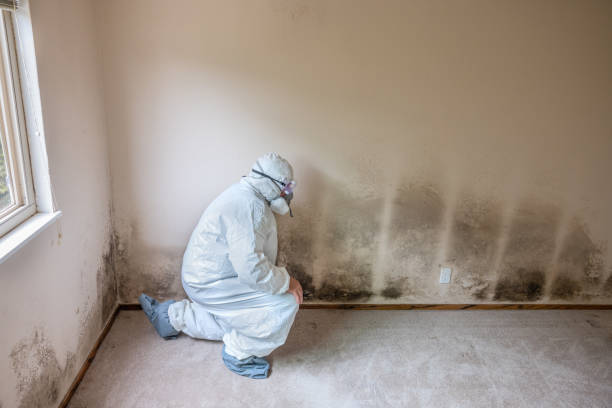
Not every fire produces the same kind of damage. A kitchen grease fire in a West Virginia, WV home generates protein-based smoke residue — sticky, yellowish, and intensely pungent. A bedroom fire involving synthetic bedding and furniture produces petroleum-based soot — fine, black, and oily. An electrical fire in a utility room might produce very little visible flame damage but fills the structure with acrid chemical smoke from burning wire insulation.
Each type of soot requires a different cleaning approach. Protein residue does not wipe off with a dry sponge the way petroleum soot does. It needs enzymatic cleaners that break down the organic compounds. Chemical smoke from electrical fires often requires HEPA air scrubbing combined with hydroxyl generator treatment to neutralize the volatile organic compounds embedded in soft materials.
GBS Restoration technicians in West Virginia, WV assess the fire type before selecting cleaning methods. Getting this wrong does not just waste time. It can permanently set stains and odors into surfaces that could have been saved with the right approach from the start.
From water extraction and structural drying to fire cleanup and full mold remediation, GBS Restoration handles every phase of the restoration process in West Virginia, WV. We are not a demolition company that hands you off to a builder. We are not a cleaning service that stops at the surface. We manage your project from the emergency call through the final coat of paint, and we keep you informed at every step.
Our West Virginia, WV teams carry IICRC certifications in water damage restoration, fire and smoke restoration, and mold remediation. Those credentials mean our technicians are trained to industry standards — not just experienced, but educated in the science behind the work.
There is a moment right after you discover damage when everything feels urgent and overwhelming. You do not know who to trust. You do not know how bad it really is. You just know something is very wrong with your home or your building, and you need someone who knows what they are doing.
That is exactly what GBS Restoration is for. We have been handling damage restoration in West Virginia, WV with the same approach every time — show up fast, assess honestly, communicate clearly, and do the work right. Call us at 1-833-541-0100 and let us take this off your plate.
"A pipe froze and burst in our West Virginia, WV rental property while our tenants were out of town for the holidays. Water ran for almost two days before anyone noticed. GBS Restoration brought in a full crew with LGR dehumidifiers and saved the hardwood in the living room that I thought was a total loss. The project manager sent me photo updates every morning since I could not be there in person."
"We had a small electrical fire behind our dryer that filled the whole house with a chemical smell. Walls looked fine but everything reeked. GBS Restoration explained it was from the wire insulation burning and set up hydroxyl generators throughout the house for almost a week. They also cleaned inside every air duct and return vent. No trace of the smell now, and they documented every step of the process for our records."
"Discovered a massive mold colony behind the drywall in our West Virginia, WV basement after noticing a musty smell for months. The GBS team set up full containment with plastic sheeting and negative air machines before they removed a single piece of drywall. They found a foundation crack letting groundwater seep in. Fixed the crack, removed all the contaminated material, treated the block wall, and showed us the clearance test results before they closed everything back up. We finally feel comfortable using that space again."