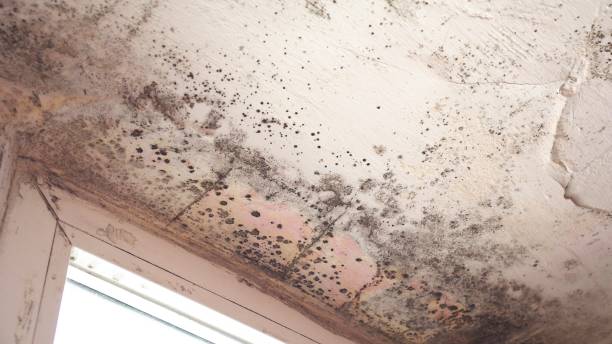
What Is in Black Water and Why You Cannot Clean It Yourself
The restoration industry classifies contaminated water into three categories. Sewage backup falls under Category 3, also known as black water. This is the worst classification because of what the water carries.
Black water from a sewage backup contains human waste, which means it harbors bacteria like E. coli and salmonella. It can carry parasites such as giardia and cryptosporidium. It often contains endotoxins — fragments of bacterial cell walls that trigger inflammatory immune responses even after the bacteria themselves are dead. You cannot see any of these hazards. The water might look like muddy gray liquid, but at a microscopic level it is teeming with organisms that can make you seriously ill through skin contact, inhalation of contaminated vapor, or ingestion.
That is why porous materials that absorb black water cannot be saved. Carpet, carpet padding, particleboard, drywall below the flood line, upholstered furniture sitting in the water — all of it must be removed and disposed of. No amount of cleaning penetrates deep enough into those materials to eliminate embedded pathogens. Our crews in Parma Heights, OH remove all contaminated porous materials, bag them in sealed polyethylene sheeting, and transport them for proper disposal.
Seeing dirty water on your Parma Heights, OH basement floor right now? Call 1-833-541-0100 before you touch anything. We can walk you through safety precautions over the phone while our crew is on the way.
Our Sewage Decontamination Process in Parma Heights, OH
Removing the water is just the beginning. After extraction, every surface the black water touched needs antimicrobial treatment. Here is what the process looks like in a typical Parma Heights, OH sewage cleanup.
We start by extracting standing water with truck-mounted pumps and weighted extraction tools that pull moisture from carpet and pad simultaneously. Once standing water is removed, we begin controlled demolition — cutting out drywall to at least twelve inches above the visible high-water mark. Water wicks upward through gypsum board, so the actual saturation line is always higher than where you see discoloration on the surface.
Next comes the antimicrobial application. We spray all remaining structural surfaces — studs, sill plates, subfloor, concrete — with an EPA-registered antimicrobial solution designed to eliminate bacteria, viruses, and fungi. This is not household bleach. Professional antimicrobials are formulated to penetrate wood grain and remain effective as a residual barrier against microbial regrowth during the drying process.
Then we set up the drying equipment. Commercial LGR dehumidifiers pull moisture from the air while high-velocity air movers direct airflow across wet structural materials. We monitor drying progress daily with pin-type moisture meters driven directly into wall studs and subfloor material. The job is not done when the floor feels dry underfoot. It is done when every measured material reads within the acceptable dry standard range for Parma Heights, OH humidity conditions.
Why Sewage Backups Happen in Parma Heights, OH and How to Recognize the Warning Signs
Sewage backups rarely happen without warning. In Parma Heights, OH, the most common causes are aging clay or cast iron sewer laterals — the pipe that connects your property to the municipal sewer main. Over decades, these pipes crack, separate at joints, and get infiltrated by tree roots seeking moisture.
Watch for these early signals. Slow drainage in multiple fixtures at the same time usually indicates a main line problem rather than an isolated clog. Gurgling sounds in your toilet when you run the washing machine suggest back-pressure building in the line. A foul smell coming from floor drains, even when dry, can mean sewer gas is leaking through a compromised pipe or a dried-out trap.
If you notice these warning signs in your Parma Heights, OH home, getting a sewer scope inspection can catch problems before they turn into a full backup. But if the backup has already happened, call us at 1-833-541-0100 right away. Every hour sewage sits on your floors, contamination spreads deeper into building materials and the scope of the cleanup grows.